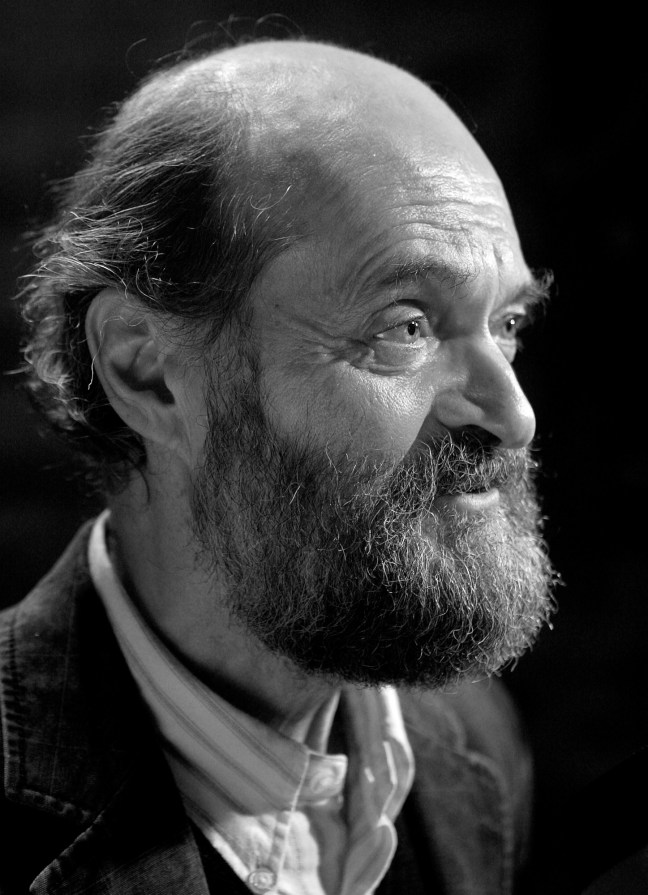
Many years ago – in the late 1980s or early 90s – my friend Tony Benn (no, not the politician, but a painter with good taste in music) marked my birthday by giving me a then recently released album entitled Arbos. It was my first encounter with the music of the Estonian composer Arvo Pärt, and I found it riveting. I promptly sought out Pärt’s previous ECM release, Tabula Rasa, went with Tony and our then partners to the 1995 Proms to see the Hilliard Ensemble perform his Passio Domini Nostri, and got into the habit of buying every new release of Pärt’s works – mostly but not exclusively* on ECM, whose Manfred Eicher had famously discovered the composer’s music after hearing a piece by him on the radio while driving home one night. I even had Pärt’s 1964 choral work Solfeggio – suitably tentative in its questing but also brightly hopeful – at my wedding.
Since that first encounter I’ve followed Pärt’s progression closely, as have many others. (Given how often his music has been (ab-)used by filmmakers, I sometimes wish it were not quite so popular!) So it was not surprising that I leapt at the chance to hear an ECM album released to mark the composer’s 90th birthday. Not only is And I heard a voice magnificent in itself, but its release happened to follow or precede a number of other albums of music emanating from Eastern Europe. They’re all compelling in their different ways, so here, briefly, are five recommendations.
Vox Clamantis: Arvo Pärt – And I heard a voice (ECM New Series)
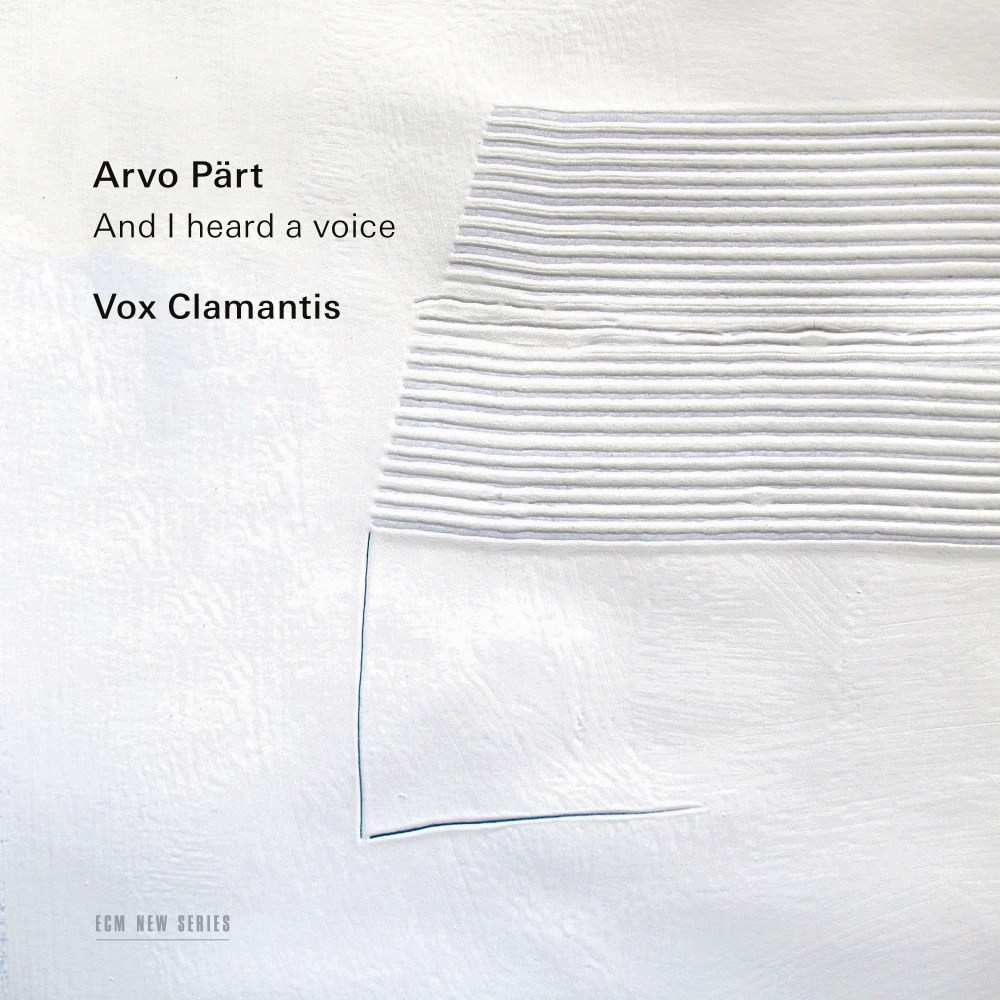
Conducted by Jaan-Eik Tulve, the Estonian vocal ensemble provides utterly radiant accounts of relatively recent pieces by Pärt (including 2019’s Für Jan Eyck, the only one with organ accompaniment), but also finds room for 2001’s glorious Nunc dimittis and for 1988’s Sieben Magnificat-Antiphonen – the sixth of which, O König alter Völker, you can listen to here. Even by ECM’s famously high standards, the recording is superb; close your eyes and it’s easy to imagine you’re sharing the resonant acoustic of the Haapsalu Cathedral along with the choir.
Estonian National Symphony Orchestra, German Hornsound: Erki-Sven Tüür – Aeris (ECM New Series)
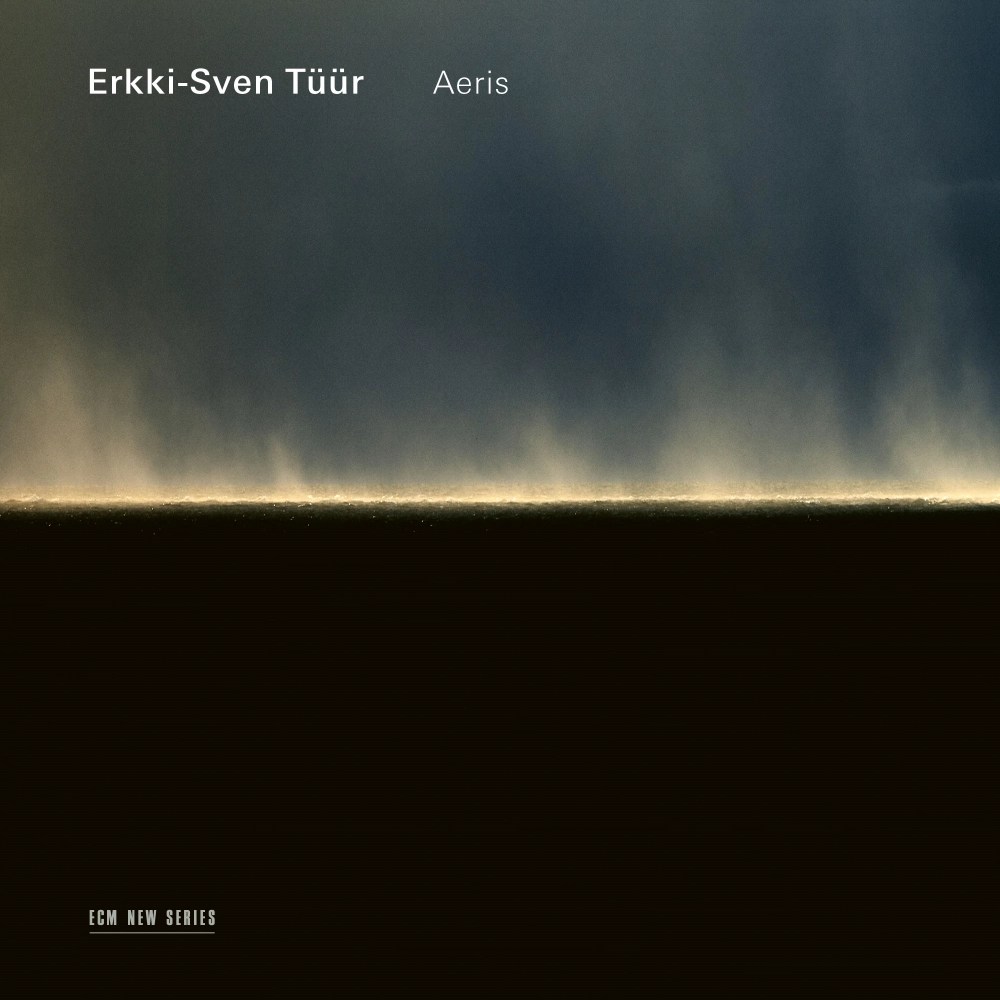
One of the best known of the generation of Estonian composers following Pärt, Erki-Sven Tüür may have set up and played in a prog-rock group almost half a century ago, but his subsequent work has revealed an interest in spirituality quite as distinctive as Pärt’s, even if it’s usually expressed in a less forthright manner. The album takes its title from Tüür’s monumental tenth symphony for orchestra and horn quartet, composed in 2021; bookending that piece are 2013’s De Profundis, a musical prayer dedicated to the orchestra’s conductor Olari Elts, and, for openers, Phantasma, an exhilarating 2018 homage to Beethoven (and, to some degree, to Tüür’s father, who came to classical music by way of the Coriolan Overture), which you can listen to here.
Various soloists, BBC Concert Orchestra: Dobrinka Tabakova – Sun Triptych (ECM New Series)
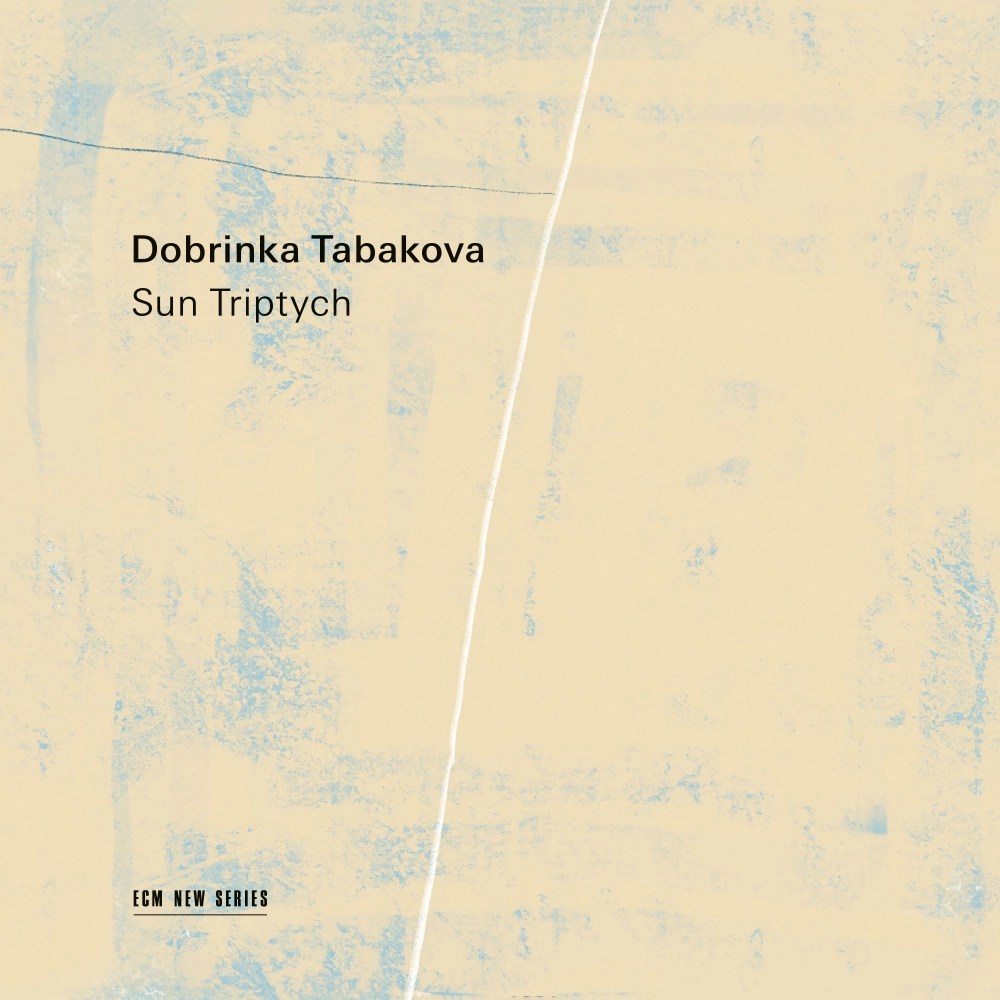
Dobrinka Tabakova’s first album on ECM, String Paths, deservedly won the Bulgarian-British composer many fans, and her second outing for the New Series (following two for the Regent and Hallé labels) should win her a fair few more. The six works, composed between 2000 and 2011, range from Spinning a Yarn for solo violin and hurdy-gurdy and a couple of duets for viola and piano to three pieces for string orchestra, one of them with solo parts for violin and cello. There’s a lot of variety here, from the sometimes playful, sometimes bluesy Suite in Jazz Style, to a deeply felt lyricism in many of the other tracks which will be familiar to anyone who heard the lovely cello concerto on Tabakova’s first album. What ties it all together is her sure, bold and consistently imaginative sense of melody; you can hear it in Day, the second part of the highly evocative titular triptych.
Sokratis Sinopoulos, Yann Keerim: Topos (ECM)
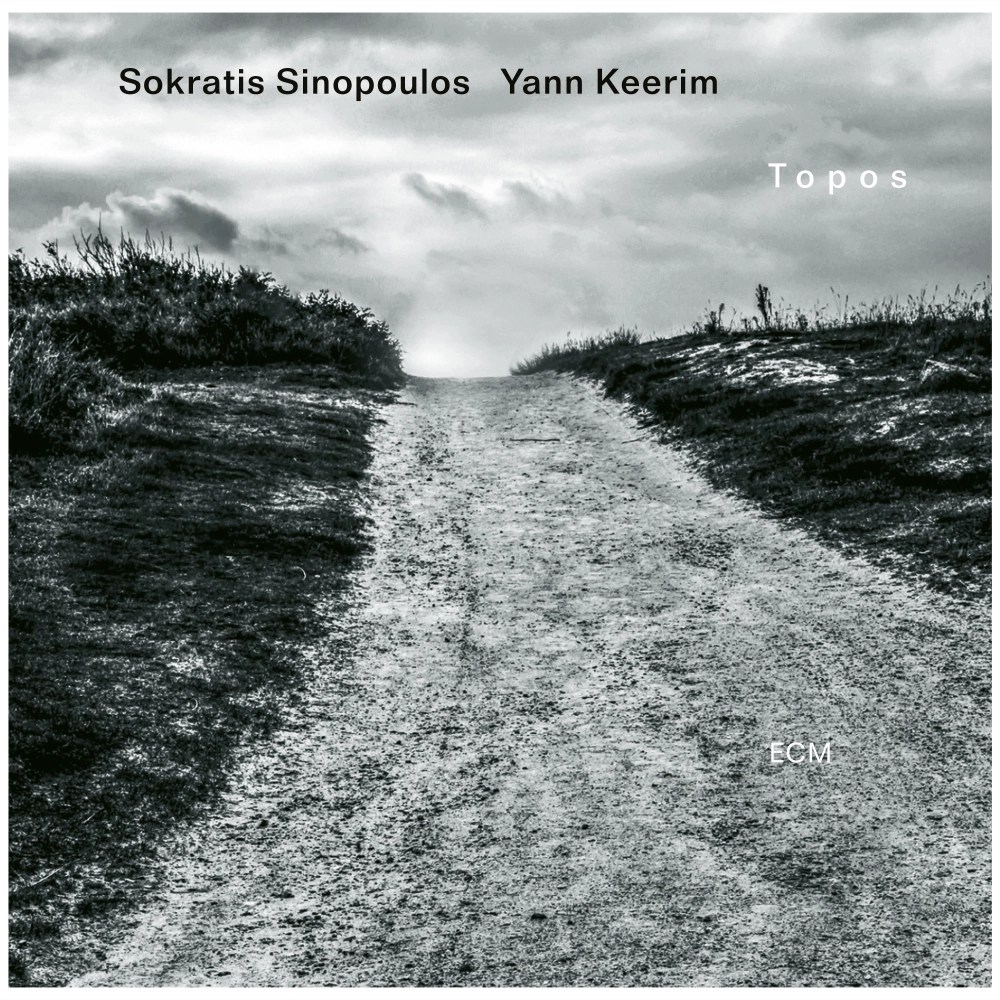
Not New Series this time, even though this release from the Greek duo of lyra player Sinopoulos and pianist Keerim includes six tracks inspired by the Romanian Dances of Béla Bartók. But as the album’s title – the Greek word for place – makes clear, this is most definitely devoted to an exploration of the music of Greece, Romania, Hungary and the Balkans. I could just have easily have included it in one of my ‘But Is It Jazz?’ blogs since, Bartók apart, it occupies a fertile territory between folk, jazz, classical, dance music and sacred music. The sort of thing the label does so well, in other words. (I first heard Sinopoulos’ keening lyra on Charles Lloyd’s Athens Concert – he really does have a distinctive sound, as you’ll find on his own composition Vlachia here.)
Jan Bang, Arve Henriksen: After the Wildfire (Punkt/Jazzland)
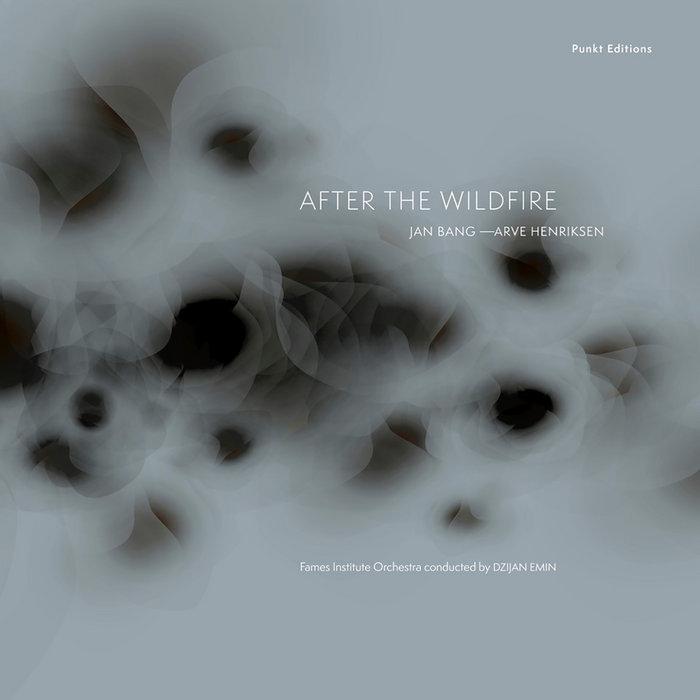
Well, yes, as anyone who’s read my blogs about Arve Henriksen will know, this may not really belong in a round-up of music from Eastern Europe. That said, the two Norwegian composers, together with their compatriots Eivind Aarset on guitar and electronics and Ingar Zach on percussion, are playing music commissioned by the 2023 jazz festival in Skopje, Macedonia, and some tracks feature local soloists on local instruments alongside the Fames Institute Orchestra and Macedonian Voices conducted by Dzijan Emin. I make no apology for once again drawing attention to Henriksen’s extraordinarily expressive trumpet (even more distinctive than Sinopoulos’ lyra), to his occasional vocal contributions, or to another of his fruitful collaborations with electronics maestro Bang. Tonally and texturally, the music extends from plangent and mournful to primal and wild, from dreamy to driven, from ecstatically lush to meditative and prayer-like, but it all hangs together in a seamless fashion. One small caveat: at around the half-0hour mark, the album is on the short side, but if it’s musical beauty and brilliance you’re after, this, in its own very different way, is as rewarding at that Pärt album. You can listen to the opening track, Seeing (Eyes Closed), here.
Photograph of Arvo Pärt by Kauppo Kikkas, courtesy of ECM. After the Wildfire is available from Bandcamp
* Anyone keen to explore Pärt’s very interesting early, pre-tintinnabulist works should check out Neeme Järvi and the Philharmonia: Collage (Chandos) and Jeroen Van Veen: Für Anna Maria – Complete Piano Music (Brilliant Classics). Other wonderful non-ECM versions of Pärt’s early-ish choral works can be found on Hyperion (Triodion) and Harmonia Mundi (De Profundis). If you’re especially a fan of his Fratres, the Naxos label boasts a disc by the Hungarian State Opera Orchestra, conducted by Tamás Benedek, which includes six (count ’em!) versions for different ensembles, plus three popular works from his renaissance years
 notes and observations by Geoff Andrew